Shipping and forwarding: how the two work together
Shipping moves the cargo. Forwarding makes the move work. Here's how the two disciplines fit together — and why the distinction matters when you're buying freight.
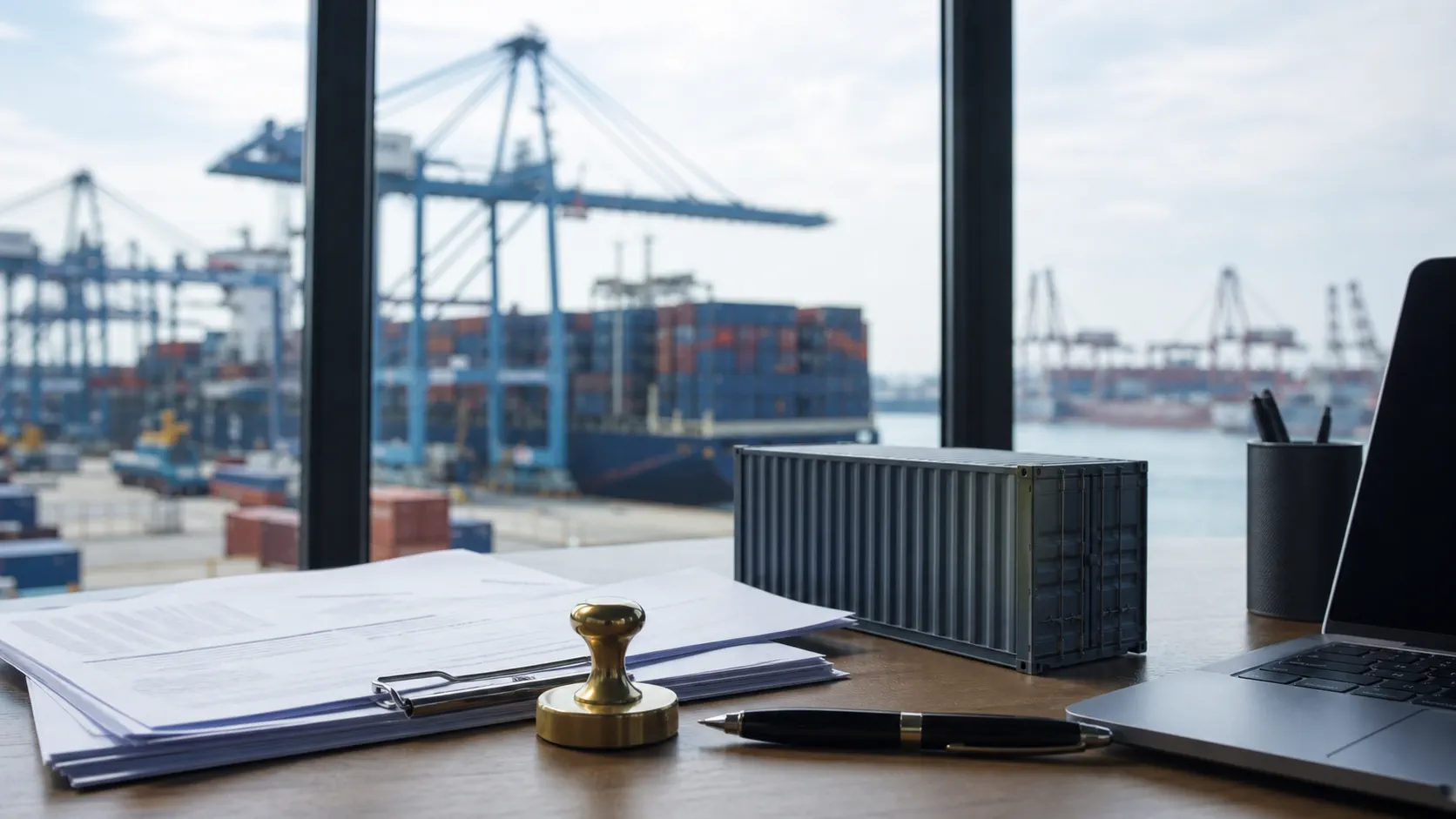
Three roles, one shipment
Every international shipment involves three distinct roles. The shipper owns the cargo and needs it moved. The carrier — a shipping line, airline, or trucking company — owns the vessels, aircraft, or trucks that physically move it. The freight forwarder sits between the two: planning the route, booking the capacity, preparing the documents, and coordinating everything from pickup to delivery.
Small shipments and simple routes sometimes work with just a shipper and a carrier. But the moment a move crosses borders, changes transport modes, or involves customs, the coordination work grows quickly — and that's where forwarding earns its place.
What "shipping" actually covers
Shipping is the physical movement: ocean freight in containers or as break-bulk, air freight on passenger or freighter aircraft, and road transport for inland legs. Each mode has its own equipment, pricing logic, transit profile, and paperwork. Choosing between them is a trade-off between speed, cost, and cargo characteristics — a pharmaceutical shipment and a load of steel pipe rarely travel the same way.
What forwarding adds
A forwarder's work starts before the cargo moves and ends after it arrives:
- Routing and mode selection — matching the shipment to the right mode, carrier, and schedule.
- Packaging guidance — advising on export packing, crating, and palletization so cargo survives the journey and passes inspection.
- Documentation — commercial invoices, packing lists, bills of lading or air waybills, and certificates of origin, prepared consistently.
- Customs — declarations, duty coordination, and clearance at both ends.
- Consolidation — grouping smaller shipments into shared containers so each shipper pays only for the space used.
- Insurance support — helping arrange cargo insurance appropriate to the goods and route.
- Tracking and communication — milestone visibility and a single point of contact when questions arise.
Why the distinction matters
Carriers sell transport on their own network, on their own schedules. Forwarders work across carriers and modes, which means the recommendation is shaped by your shipment rather than by available capacity on one fleet. For businesses without an in-house logistics team, the forwarder effectively becomes that team — handling the operational detail so the shipper can focus on the trade itself.
The practical takeaway: when comparing freight options, look past the headline rate. Ask who prepares the documents, who answers when the container is held at customs, and who coordinates the handoffs between modes. That coordination — not the transport itself — is where most shipments succeed or struggle.